Car Insurance in NJ, NY, CT, PA, MD, DE + 23 Other States
Your car is one of your most important assets. It helps you get to work, shop for what you need, and keep you connected with friends and family. Unfortunately, accidents happen even to the most careful drivers. Protect your vehicle – and wallet – with a car insurance policy from Muller Insurance. We are an independent agency serving New Jersey, New York, Connecticut, Pennsylvania, Nevada, and other states, and we work with numerous insurers to find affordable plans to meet your needs.
What Does Auto Insurance Cover?
Standard auto insurance starts with liability protection. Liability coverage pays for repairs, replacements, and medical fees for the other drivers involved in an accident – saving you from paying out of pocket. Depending on your region, the standard policy may also include personal injury protection (PIP), which covers medical and funeral expenses after an accident for you, your passengers, or any family members that are injured while in your car. PIP may also help pay for childcare or lost income while you are recovering.
Also included is collision coverage, which guards against the costs of fixing your car after an accident, as well the protection and recovery of a stolen vehicle in the event of theft. And when your vehicle is threatened by storms, falling objects, or other causes, comprehensive coverage steps in to pay for repairs.
What Additional Coverage is Available for Car Owners?
Depending on your finances and needs, you can also expand your coverage for other unforeseen situations. At Muller Insurance, these extra types of coverage include:
- Roadside assistance: Car problems don’t happen when they’re convenient. If you get locked out of your car or get a flat tire while on the road, your insurance company can come to the rescue.
- Uninsured/underinsured motorists: In an accident, you can’t always count on the other driver’s insurance. This coverage type protects you if you or your passengers are hurt by a driver who doesn’t have enough insurance to pay for your expenses.
- Towing and labor: If your car is too damaged to drive, this optional coverage will pay for the cost of towing it to a nearby repair shop.
- Legal help: Some collisions lead to legal action. A good insurance policy can back you up in court, helping you pay for quality defense representation and cover other associated costs.
- Boat, motorcycle, and RV coverage: Do you own vehicles other than your car? You can protect those, too, with an add-on to your car insurance policy.
| BENEFIT | REASON |
|---|---|
| Roadside assistance | Car problems don’t happen when they’re convenient. If you get locked out of your car or get a flat tire while on the road, your insurance company can come to the rescue. |
| Uninsured/underinsured motorists | In an accident, you can’t always count on the other driver’s insurance. This coverage type protects you if you or your passengers are hurt by a driver who doesn’t have enough insurance to pay for your expenses. |
| Towing and labor | If your car is too damaged to drive, this optional coverage will pay for the cost of towing it to a nearby repair shop. |
| Legal help | Some collisions lead to legal action. A good insurance policy can back you up in court, helping you pay for quality defense representation and cover other associated costs. |
| Boat, motorcycle, and RV coverage | Do you own vehicles other than your car? You can protect those, too, with an add-on to your car insurance policy. |
We’ll Find the Right Policies for You
At Muller Insurance, we’ll help you find just the right policy for your priorities and wallet. Our agents work with premier providers like Chubb Insurance, Plymouth Rock Insurance, Travelers Insurance, Progressive, Liberty Mutual, and many more. We also believe a not-so-spotless record shouldn’t get in the way of affordable protection, which is why Muller Insurance helps individuals with seven points or more, a history of DUIs, or even a suspended license. Contact us today to request a quote for our car insurance policies if you live in New Jersey, New York, Connecticut, Pennsylvania, Nevada, or another state we serve.

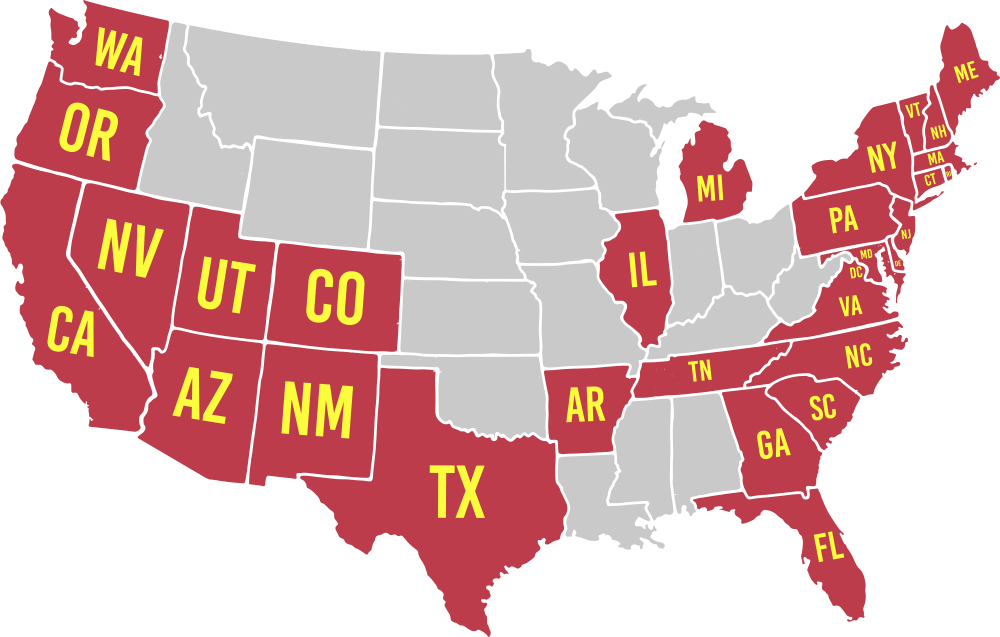
Licensed in 29 States
One Trusted Agency
Additional Resources
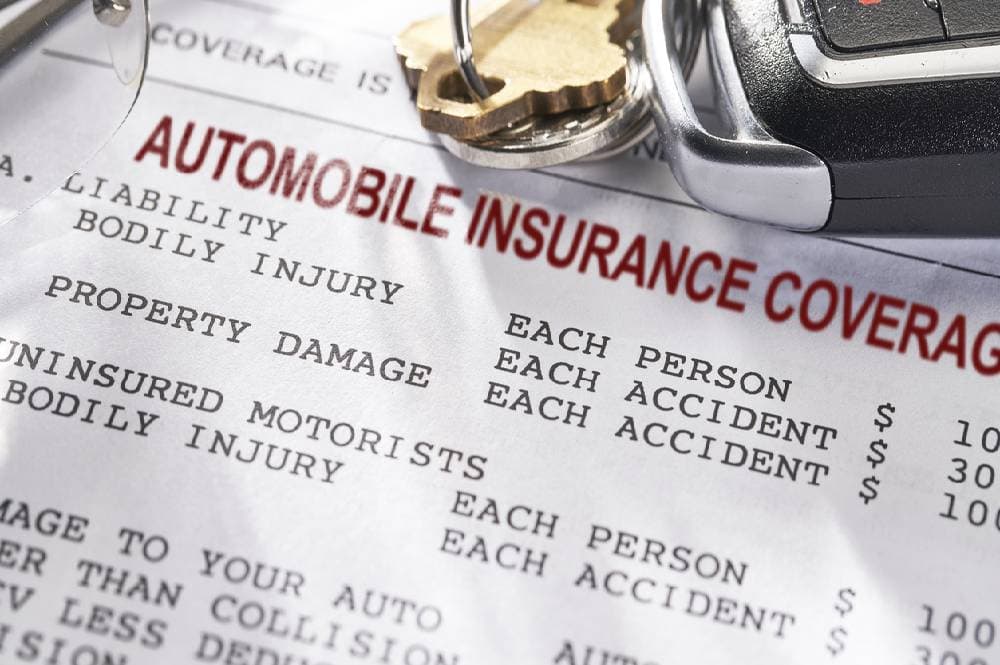
Questions to Ask Before You Buy Auto Insurance
In nearly every state in the U.S., drivers are required to have an active automobile insurance policy for their car. Determining what type of policy is right for you and

Chubb Auto Insurance for High-Value Cars: Is It Worth It?
High-value cars, like those from luxury brands, are coveted by many people. However, they may be difficult to cover with traditional insurance plans because of their complexities and unique parts.
Comprehensive Auto Insurance in NJ: Comparing Plymouth Rock, Travelers, and Chubb
Choosing a car insurance company isn’t a decision to be taken lightly. Your vehicle is what allows you to navigate the modern world with ease, so you want to be