Life Insurance Policies in NJ, NY, CT, PA and Beyond
Life insurance is a cornerstone in protecting your family’s well being. Even if you have it, it can get dated quickly. That’s why it is important to review and possibly update your policy with a professional every two years.
The right policy is always a sound investment. It can provide:
- Replacement income for dependents
- Cover burial and funeral costs
- Create an inheritance for your heirs
- Pay federal “death” taxes and state “death” taxes
- Make significant charitable contributions
- Create a source of savings
Types of Life Insurance
Not all life insurance is the same. There are, in fact, two major types of life insurance—term and whole life. Whole life is sometimes called permanent life insurance. It encompasses several subcategories, including traditional whole life, universal life, variable universal life.
Term
Term Insurance is the simplest form of life insurance. It pays only if death occurs during the term of the policy, which is usually from one to 30 years. Most term policies have no other benefit provisions. There are also two basic types of term insurance polices—level terms and decreasing term.
Level term means that the death benefit remains the same throughout the duration of the policy. Decreasing term means that the death benefit drops, usually in one-year increments, over the course of the policy’s term.
Whole Life/Permanent
Whole life or permanent insurance pays a death benefit whenever you die—even if you live to 100! There are three major types of whole life or permanent life insurances—traditional whole life, universal life, and variable universal life.
How Much Life Insurance Do You Need?
There is no single right number. A good starting point is to add up what your family would need if your income stopped. One common method is called DIME:
- Debt: credit cards, car loans, student loans and other debts, not including your mortgage.
- Income: your annual income multiplied by the number of years your family would need support.
- Mortgage: the remaining balance on your home loan.
- Education: the cost of your children’s schooling.
Add those four amounts, then subtract your savings and any coverage you already have. For example, a family with $20,000 in debt, $800,000 in income needs (an $80,000 salary for 10 years), a $300,000 mortgage and $100,000 for education would total $1,220,000. After subtracting $150,000 in savings and existing coverage, the gap is $1,070,000. This is only an illustration, not a recommendation.
Some people also use a quick rule of thumb of 10 to 15 times annual income. Treat it as a starting point and not an answer.
Who Typically Needs Life Insurance?
New Parents
A new child adds years of expenses, from childcare to college. Life insurance can replace lost income and keep those plans on track. Coverage for a stay-at-home parent is worth considering too, since replacing childcare and household work has a real cost.
New Homeowners
For many families a mortgage is the largest debt they carry. Life insurance can help a spouse or family pay off or keep up with the mortgage without selling the home. Pair it with the right homeowners or condo insurance, and consider disability insurance to protect your income while you are alive.
Business Owners
If you own a business, life insurance can help cover business loans, provide income for your family, and fund a buyout if you have a partner. It works alongside your business insurance and your umbrella liability coverage as part of a complete plan.
Life Insurance FAQs
What is the difference between term and whole life insurance?
Term life insurance covers you for a set period, usually one to 30 years, and pays only if you die during that time. Whole life, or permanent, insurance is designed to last your entire life and typically builds cash value. Term usually costs less, while permanent coverage lasts longer.
How much life insurance do I need?
Start by adding up your debts, the income your family would need to replace, your mortgage balance and the cost of your children’s education, then subtract your savings and existing coverage. Many people also use 10 to 15 times annual income as a rough guide. An agent can help you refine the number.
How often should I review my life insurance?
We recommend reviewing your policy with a professional at least every two years, and after major life events such as marriage, a new child, a new home, a new business or a divorce. Coverage that fit your life a few years ago can fall behind quickly.
Do I still need life insurance if I have coverage through my employer?
Often yes. Employer coverage is usually a set multiple of your salary and may end if you change jobs or leave the company. It is worth checking how much you have and whether you can keep it, then comparing that with the amount your family would actually need.
Can I get life insurance for a stay-at-home parent?
Yes. A stay-at-home parent provides childcare, household management and other work that would be costly to replace. Life insurance can help a family cover those costs if something happens.
How do I get a life insurance quote from Muller Insurance?
Call us at 201-659-2403 or contact us online and tell us you are interested in life insurance. An agent will review your goals and explain your options.
Want to get the straight word on life insurance?
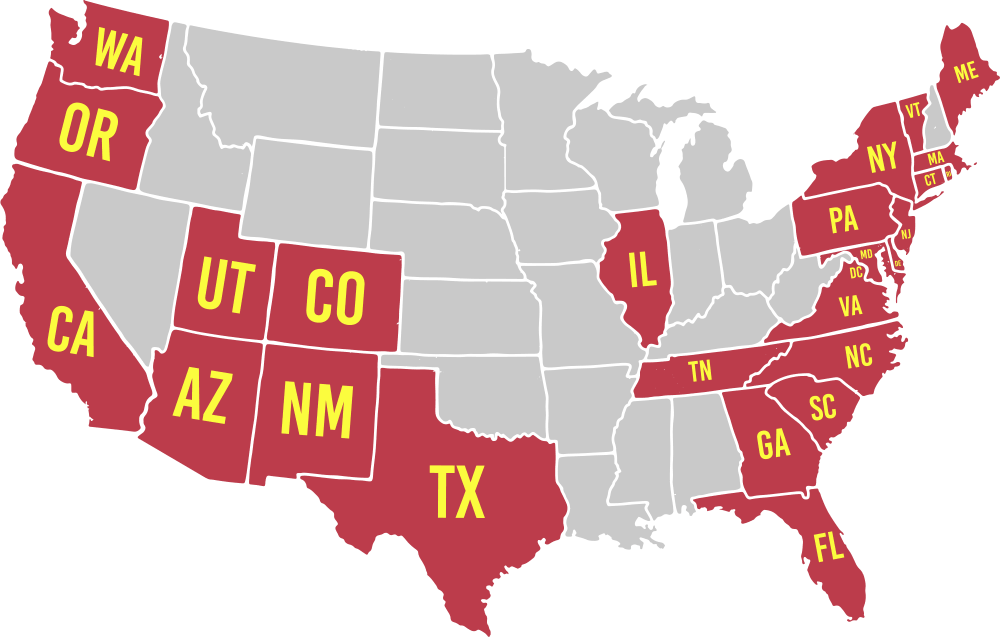
Contact Muller Insurance to learn more about coverage throughout New Jersey, New York, Connecticut, Pennsylvania, and other states. We are here to help.

Licensed in 26 States
One Trusted Agency
Additional Resources

Does Your Insurance Policy Need to Change?
There are certain things that you may purchase once and never think about again—pet rocks, parachute pants, Troll dolls and bedazzled anything. However, your insurance policies shouldn’t be something that

Avoid COVID-19 Scams
Amid the ongoing COVID-19 pandemic, businesses have fallen prey to scammers who are exploiting public fears by claiming to have legitimate information about the coronavirus. Here are a few ways

Using Umbrella Coverage for Defamation Claims
You have the right to defend your name and character against unfound statements made against you. This is why there are laws that protect you against defamation, libel, and slander.